
Exploring Doha’s Urban Evolution: How Connected Communities Are Shaping the Future
DOHA — As Doha continues its rapid transformation into a global hub for smart infrastructure and sustainable living, the way residents connect with their urban environment is undergoing a massive shift. Beyond major transit routes and smart corridors, the true heartbeat of the capital lies in its interconnected community spaces, designed to foster collaboration, ease of movement, and long-term environmental balance.
Urban planners emphasize that true modernization goes hand-in-hand with accessibility, ensuring that every neighborhood benefits equally from technological and architectural advancements.
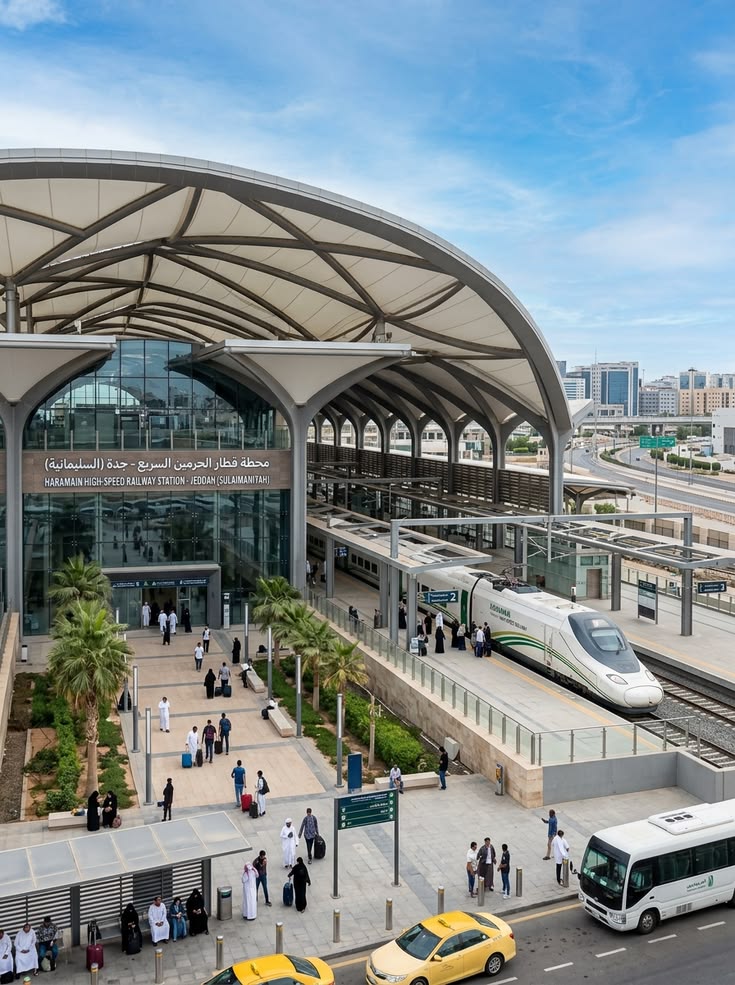
🏙️ Building Connected Neighborhoods Through Design The focus on community-centric urban planning has introduced several key infrastructural upgrades across Doha’s residential and commercial districts: Pedestrian-First Walkways: Creating safe, shaded, and accessible walking paths that reduce reliance on private vehicles for short trips. Integrated Community Hubs: Establishing localized digital kiosks and public spaces where residents can easily access civic services. Sustainable Micro-Mobility: Expanding bicycle lanes and eco-friendly micro-mobility options linked directly to main metro and shuttle lines. 🔗 Why Internal Connectivity Matters for Modern Cities Seamless transitions between major transit networks and local neighborhoods are vital for reducing congestion. By bridging the gap between high-speed metro lines and local community pathways, Doha is setting a benchmark for holistic, human-centric city planning that prioritizes both convenience and sustainability. Frequently Asked Questions (FAQs) Q1: What is the main focus of Doha's community-centric urban planning? The focus is on creating pedestrian-first walkways, integrated digital community hubs, and sustainable micro-mobility options linked to main transit lines. Q2: How do connected community spaces benefit daily residents? They improve local accessibility, reduce reliance on private vehicles for short trips, and provide easier access to municipal services. Q3: How do these related developments tie into Doha's broader infrastructure goals? They ensure that technological advancements and smart city benefits extend from major commercial corridors directly into local residential neighborhoods.
Esha AD · Wednesday, August 5, 2026 · 2 min read
Holistic Integration: Bridging high-speed transport with neighborhood pathways for seamless daily travel.
Pedestrian Access: Enhancing walkability and sustainable micro-mobility across Doha's districts.
Community Empowerment: Bringing digital municipal touchpoints closer to residential areas.
Doha’s continuous evolution proves that modern city development is rooted in strong connections—not just between buildings and transit networks, but between communities and the sustainable future they share
TOPIC
Related Stories