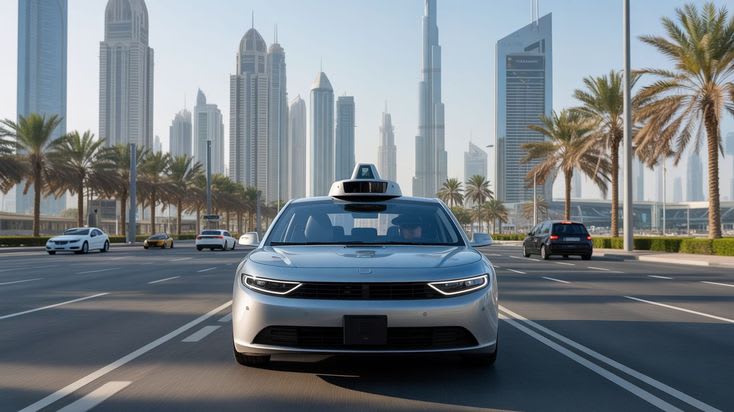
Qatar’s Smart Mobility Revolution: Autonomous Taxis and the Future of Sustainable Transport
Qatar’s Smart Mobility Revolution: Autonomous Taxis and the Future of Sustainable Transport in Doha
The State of Qatar is accelerating its transition toward a smarter, highly integrated, and environmentally sustainable urban ecosystem. Moving far beyond traditional infrastructure development, the nation is actively reshaping how residents and international visitors experience public mobility. At the core of this forward-thinking evolution is the Transportation Master Plan for Qatar 2050, which anchors future investments in autonomous technology, green energy transition, and advanced digital traffic management systems.
This comprehensive overview explores how cutting-edge innovations—highlighted by autonomous robotaxi trials and AI-powered transit coordination—are redefining modern commuting across Doha.
The Rise of Autonomous Mobility: Driverless Taxis in Doha One of the most notable milestones in Qatar’s transport sector is the successful progression of autonomous vehicle trials, positioning the nation at the forefront of regional smart transport innovation. Key Milestones in Autonomous Electric Taxi Trials High Operational Success: Recent reports from the Ministry of Transport confirm that initial phases of autonomous vehicle trials achieved an operational success rate exceeding 94% without human intervention. Transition to Phase Two: Building on rigorous safety monitoring and thousands of trial journeys completed, the transport sector is expanding toward fully driverless operations in coordination with relevant regulatory bodies. Commitment to Sustainability: The deployment of autonomous electric fleets aligns directly with national decarbonization goals, significantly reducing carbon emissions, curbing urban air pollution, and supporting broader environmental and public health frameworks similar to initiatives highlighted on platforms like Health Clino. AI-Powered Traffic Management and Digital Integration Smart mobility extends beyond autonomous vehicles; it requires a synchronized digital infrastructure capable of managing high-density urban flows in real time. Technological Pillars Supporting Modern Transit AI-Driven Traffic Optimization: Implementation of artificial intelligence platforms and sensor-based monitoring networks that analyze congestion patterns and dynamically adjust traffic signaling. Unified Digital Ticketing and Transit Links: Seamlessly connecting the Doha Metro network, municipal buses, public tram systems, and limousine services through centralized mobile applications. Real-Time Passenger Data: Providing commuters with accurate, up-to-the-minute scheduling, route updates, and occupancy indicators to minimize travel friction across the city. Public-Private Partnerships and the Master Plan for 2050 Achieving long-term resilience requires active collaboration between government sectors and private industry innovators. The 2050 Vision: The Transportation Master Plan guides infrastructure scaling to match rapid urban and demographic growth while prioritizing environmental preservation. Demand Management Policies: Implementing strategic frameworks that encourage multi-modal travel, reduce private vehicle reliance, and promote eco-friendly public transit options. Economic Resilience: Strengthening the financial sustainability of the transport sector through robust public-private partnerships (PPPs) that invite global tech innovators and mobility firms into the regional market. Frequently Asked Questions (FAQs) 1. What is the main objective of Qatar's Transportation Master Plan 2050? The master plan aims to build a secure, integrated, and sustainable transport infrastructure that supports long-term economic growth, manages population expansion, minimizes carbon emissions, and incorporates advanced smart technologies like AI and autonomous vehicles. 2. How do autonomous robotaxis operate in Doha? Autonomous electric robotaxis use advanced sensor arrays, LiDAR, and artificial intelligence to navigate pre-approved routes safely. Following successful supervised trials with a 94% success rate, the project has advanced to driverless testing phases under remote monitoring. 3. Which entities are managing the robotaxi trials in Qatar? The autonomous vehicle initiative is spearheaded by the Ministry of Transport in close coordination with operational partners like Mowasalat (Karwa) to ensure rigorous safety standards and public convenience. 4. How does AI improve traffic management in Doha? Artificial intelligence platforms analyze live traffic data, monitor road congestion in real-time, and dynamically adjust traffic control systems to optimize vehicle flow and reduce travel times across the city.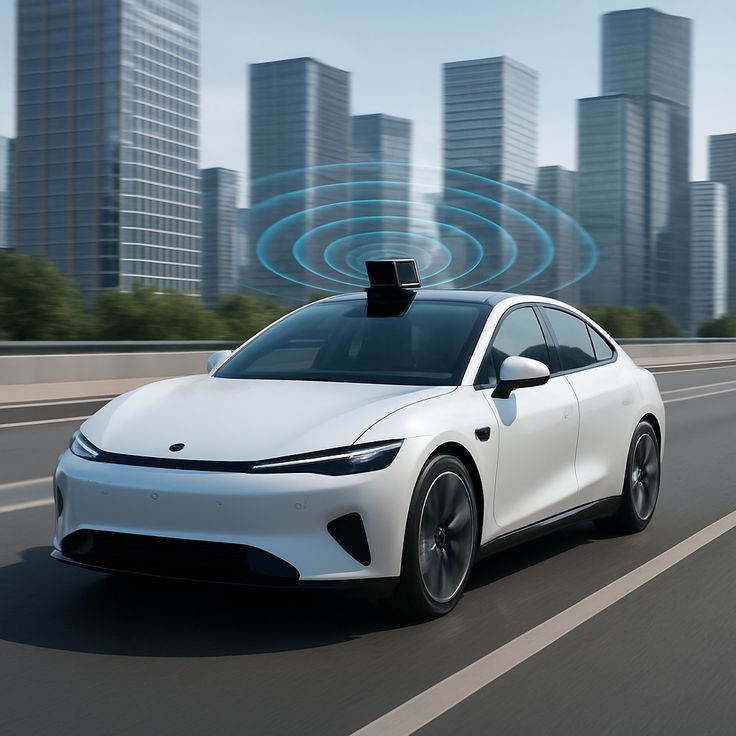
Esha AD · Wednesday, August 5, 2026 · 3 min read
Master Plan Vision: Guided by the Transportation Master Plan for Qatar 2050 to build resilient, sustainable transport networks.
Sustainability Focus: Prioritizing eco-friendly electric vehicles, energy efficiency, and reduced carbon footprints across urban rout
Unified Connectivity: Seamless digital linking of the Doha Metro, public buses, and on-demand transit services.
Qatar’s rapid integration of autonomous transport, artificial intelligence, and sustainable urban planning demonstrates a clear commitment to future-ready infrastructure. By successfully testing driverless transit solutions and unifying its digital public transport networks, Doha continues to set a regional benchmark for smart city development and efficient human mobility.
TOPIC
Related Stories